The Anatomy of Your Plumbing Network
Every residence relies on a complex network of pipes, fixtures, and connections that work together to deliver clean water and remove waste efficiently. Understanding how this system functions can help homeowners identify potential issues early and make informed decisions about maintenance and repairs.
The primary components include the water supply system, which brings fresh water into your home under pressure, and the drainage system, which uses gravity to carry wastewater away. Between these two networks are the fixtures and appliances you use daily: sinks, toilets, showers, water heaters, and more. Each element plays a specific role in maintaining the comfort and functionality of your living space.
In the North Ogden area, homes often face unique challenges related to hard water mineral buildup and temperature fluctuations during winter months. These regional factors can affect pipe longevity and fixture performance, making it particularly important for local homeowners to understand their system’s vulnerabilities. Regular inspections can catch small problems before they become expensive emergencies, especially when seasonal temperature swings put additional stress on pipes and connections.
Water Supply Systems and Pressure Management
The water supply system begins at your main water line, which connects your home to the municipal water supply or private well. From this entry point, water travels through a network of pressurized pipes that branch throughout your residence, delivering water to every fixture and appliance that requires it.
Proper water pressure is critical for comfortable daily use. Most homes function optimally with water pressure between 40 and 60 psi (pounds per square inch). Pressure that’s too low can result in weak showers and slow-filling toilets, while excessive pressure can strain pipes, cause leaks, and shorten the lifespan of appliances like dishwashers and washing machines.
Several components regulate and protect your supply system. The main shut-off valve gives you control to stop all water flow during emergencies or repairs. Pressure regulators maintain consistent pressure throughout your home, while expansion tanks accommodate pressure changes caused by thermal expansion in closed systems. Understanding where these components are located and how they function can save valuable time during a plumbing emergency.
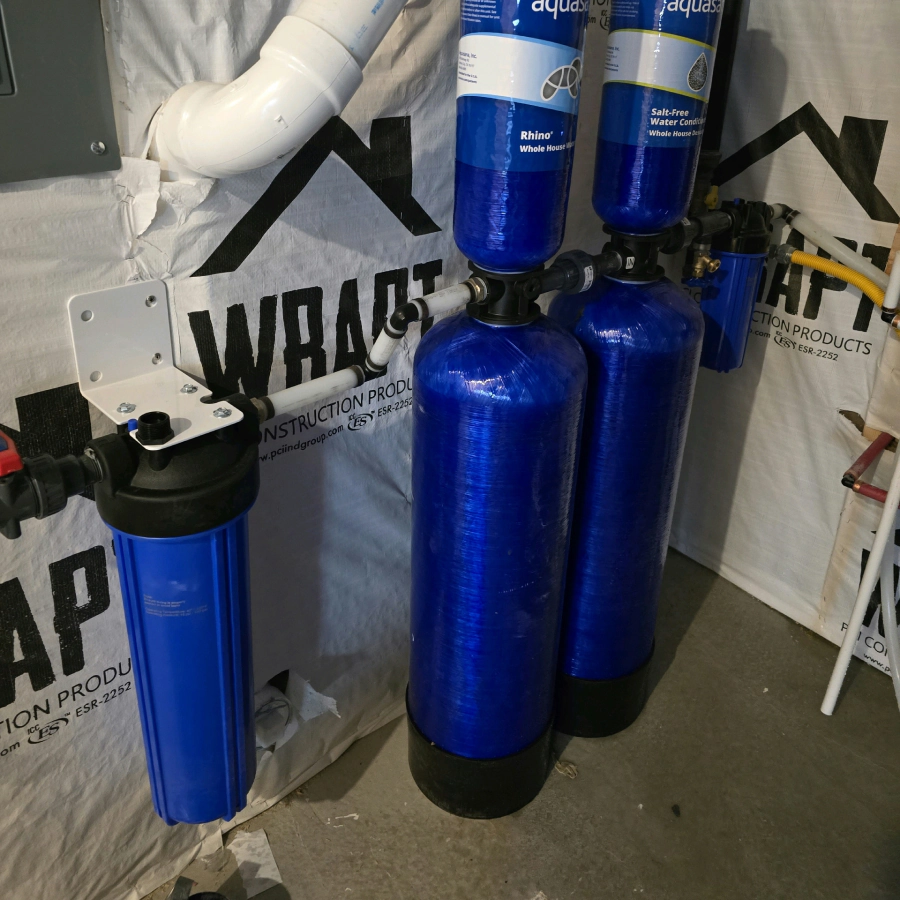
Water quality also matters significantly. Many homeowners notice that their water leaves white deposits on fixtures and appliances, a telltale sign of hard water with high mineral content. Water softening services can address this issue, protecting your investment in appliances and improving water quality for daily use. The professionals at Beek’s Plumbing have extensive experience addressing water quality concerns throughout the region, offering affordable solutions that protect your home’s fixtures and extend the life of your water-dependent appliances.
Drainage and Waste Removal Systems
While supply lines bring fresh water into your home under pressure, the drainage system relies on gravity and proper venting to carry wastewater away. This system includes drain pipes, waste pipes, vent pipes, and traps that work in harmony to remove water efficiently while preventing sewer gases from entering your living space.
Every fixture in your home connects to a drain line that slopes downward, allowing wastewater to flow toward your main sewer line or septic system. The drain-waste-vent (DWV) system is engineered with specific pipe sizes and slope angles to ensure proper flow. Vent pipes extend through your roof, allowing air into the drainage system to prevent vacuum conditions that could slow drainage or pull water out of traps.
Traps are the curved sections of pipe beneath sinks, tubs, and other fixtures. These U-shaped or P-shaped bends hold a small amount of water that acts as a barrier, blocking sewer gases from rising through drains into your home. If you notice unpleasant odors coming from a drain, a dried-out or improperly functioning trap is often the culprit.
Clogs are among the most common drainage issues homeowners face. They can develop from accumulated hair, soap residue, food particles, grease, or foreign objects. Regular maintenance, including periodic drain cleaning, helps prevent blockages from forming and keeps your drainage system functioning smoothly. Professional cleaning removes buildup that standard household methods cannot reach, protecting your pipes from damage caused by chemical drain cleaners or high-pressure water that’s applied incorrectly.
Water Heating Solutions for Your Home
Your water heater is one of the most important appliances in your home, providing hot water for bathing, cleaning, and cooking. Understanding the different types of water heaters and their maintenance requirements helps you make informed decisions about installation, replacement, and ongoing care.
Traditional tank water heaters store and continuously heat a large volume of water, typically 40 to 80 gallons. These units are reliable and familiar to most homeowners, with relatively straightforward installation and maintenance requirements. However, they do consume energy to maintain water temperature even when hot water isn’t being used, and they can run out of hot water during periods of high demand.
Tankless water heaters, by contrast, heat water on demand as it flows through the unit. These systems are more energy-efficient since they only heat water when needed, and they provide an endless supply of hot water. They require less space than traditional tanks and typically last longer. However, they have higher upfront costs and may require electrical upgrades or gas line modifications during installation.
Regardless of which type you have, regular maintenance extends the life of your water heater and maintains its efficiency. Sediment buildup is a common issue, particularly in areas with hard water. This sediment reduces heating efficiency, increases energy costs, and can lead to premature failure. Flushing the tank annually removes accumulated sediment, while checking the anode rod, temperature settings, and pressure relief valve helps prevent costly failures.
When you experience water heater issues such as insufficient hot water, strange noises, discolored water, or leaks, prompt attention is important. Beek’s Plumbing provides both water heater repair services and installation for tankless and traditional systems. With competitive pricing and quality workmanship, the team helps homeowners throughout the area maintain reliable access to hot water year-round.
Fixture Installation and Common Repairs
Fixtures are the visible endpoints of your system where you interact with your home’s water supply: faucets, sinks, toilets, showers, and tubs. These components endure daily use and are subject to wear over time, making them common sources of problems that require attention.
Faucets develop leaks, drips, and reduced flow as washers, O-rings, and cartridges wear out. A dripping faucet may seem minor, but it wastes significant water over time and can increase utility bills. Modern faucets come in various styles and configurations, from single-handle designs to touchless models with electronic sensors. Proper installation ensures these fixtures function correctly and provide years of reliable service.
Toilets are another frequent source of calls for service. Running toilets waste tremendous amounts of water, often due to worn flappers, faulty fill valves, or improper float adjustments. Clogs are another common issue, sometimes requiring more than a plunger when objects become lodged in the trap or drain line. Older toilets also use significantly more water per flush than modern low-flow models, making replacement an environmentally friendly and cost-effective upgrade.
Showers and tubs can develop leaks around fixtures, experience pressure imbalances between hot and cold water, or suffer from clogged drains due to hair and soap accumulation. Proper installation of shower valves and drain assemblies prevents water damage to surrounding walls and floors, while regular maintenance keeps these fixtures functioning smoothly.
Whether you need faucet repair, toilet installation, or help with any fixture in your home, working with trained professionals ensures the job is done right the first time. Beek’s Plumbing offers friendly and professional customer service for all fixture-related needs, from routine maintenance to complete replacement. The team’s quality workmanship and affordable pricing have made them a trusted choice for homeowners throughout Weber County and surrounding communities.